A fire spread from the neighbor’s house through the roof of our client’s home. The fire department’s efforts to extinguish the fire involved cutting through the ceiling, which caused blown insulation to fall and spread to the lower level. This resulted in:
Smoke damage to the lower floors
Contamination of the insulation material
Exterior damage from puffback smoke dust, which discolored the red brick siding
Key Constraints
The restoration project faced several challenges:
Processes: The homeowner had generational family belongings, which required careful salvage efforts. Fortunately, their insurance policy covered the retrieval of most salvageable items.
Building Materials: The house, built in 1976, was assumed to contain lead-based materials and asbestos, adding complexity to the restoration process.
The Challenge
This project posed several complex technical and logistical challenges, requiring careful planning and execution
Personal Content
The homeowner’s belongings held significant historical and sentimental value. A clear and detailed inventory was requested to be shared with the insurance company.
Structural Salvage
Efforts were required to salvage the structure on the upper floor while minimizing further damage.
Scope Agreement
Reaching an agreement with the insurance company to formalize the scope of work was a critical step.
Hazardous Materials
The presence of lead-based materials and asbestos required careful management to ensure safety and regulatory compliance.
The Solution
Our approach follows a comprehensive, step-by-step restoration process.
Mitigation Process
Removed all personal content, a process that took two weeks to complete.
Removed all damaged construction materials, salvaged the structure, and utilized dry-ice blasting where appropriate.
Dried, cleaned, and restored the affected areas.
Safety & Compliance
Maintained strict adherence to S.H.E. (Safety, Health, and Environment) protocols, particularly for lead and asbestos management.
Equipment Deployed
Storage for content
Dumpsters
Porta-potty
Negative air machin
Air scrubbers
Air movers
Dehumidifiers
Dry-ice blaster
Phasing Strategy
Content Removal: 2 weeks
Construction Material Removal, Drying, Cleaning, and Dry-Ice Blasting: 6 weeks
Reconstruction: 8 months
Industry Standards
All operations complied with guidelines from the IICRC, RIA, and EPA
Project Execution & Coordination
To ensure efficient operations and seamless collaboration, we implemented a focused execution plan with specialized staffing and structured communication.
Team Composition
Leadership: One team leader oversaw all on-site activities.
Specialization: Five restoration technicians, certified by both IICRC and RIA, carried out the technical work.
Work Schedule
8 hours per day, 5 days a week
Communication Protocol
Stakeholder Engagement: Maintained close coordination with the renter, homeowner, building owner, and two insurance adjusters (for the renter’s policy and structure policy).
Alignment: Provided updates and adjustments upon request.
Documentation & Closeout
Maintained comprehensive photographic documentation throughout the project.
Conducted a final walkthrough to ensure all objectives were met and to confirm project completion.
The Outcome
The project concluded with outstanding results, meeting all key objectives and successfully mitigating all initial challenges.
Detailed Inventory
Provided a comprehensive breakdown of personal items, clearly categorized as salvageable or non-salvageable, and effectively communicated this with the insurance company.
Scope of Work
Collaborated with the insurance company to define a clear and agreed-upon scope of work.
Reconstruction Success
Successfully completed the reconstruction in alignment with the established scope of work.
Insurance & Compliance Notes
This project was managed with meticulous documentation and strict adherence to all regulatory standards, despite being a non-insurance-related loss.
Financials
The insurance covered 100% of the claim for both the renter’s policy and the structure policy, up to policy limits.
Documentation
Comprehensive records were provided to the insurance companies to ensure transparency and accuracy.
Quality Assurance
A final walkthrough was conducted with the site manager to confirm that all work met expectations.
Code Compliance
Secured confirmation that all restoration work fully complied with local building codes.
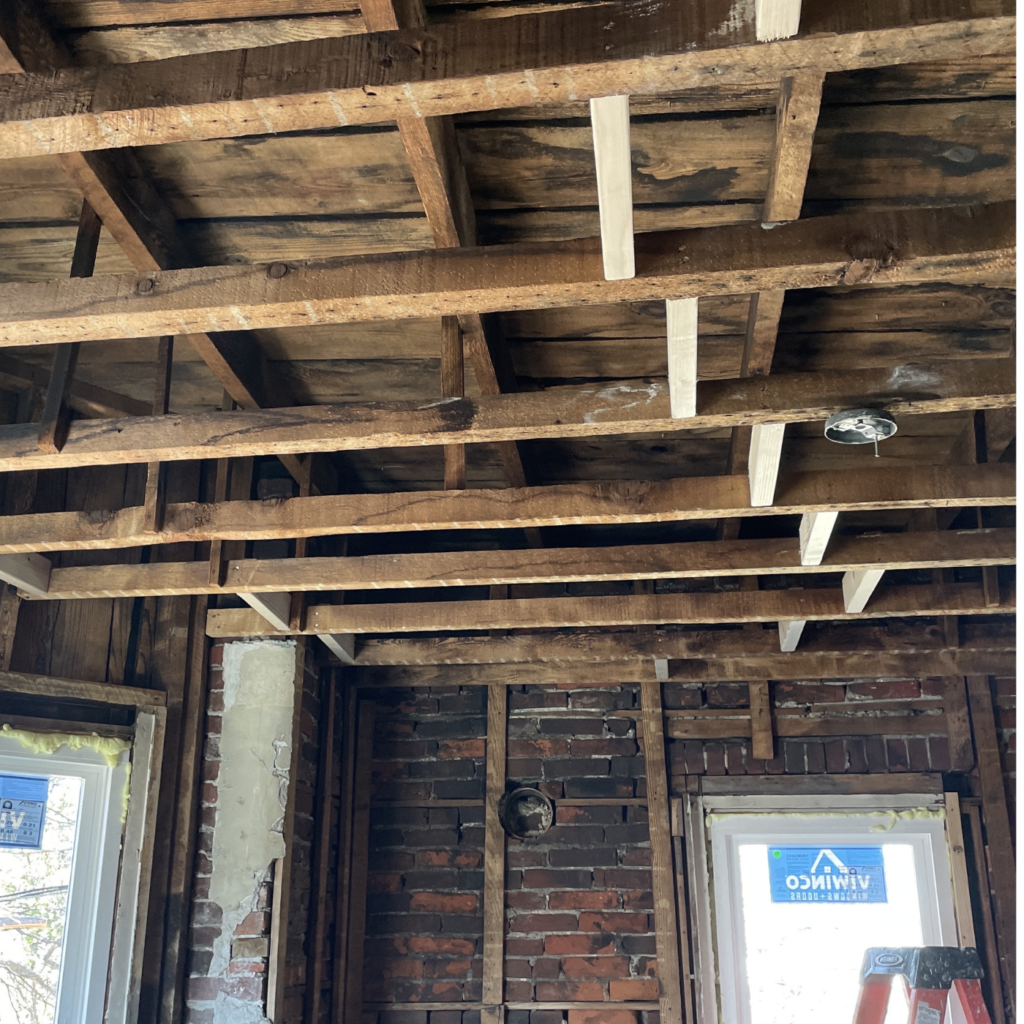
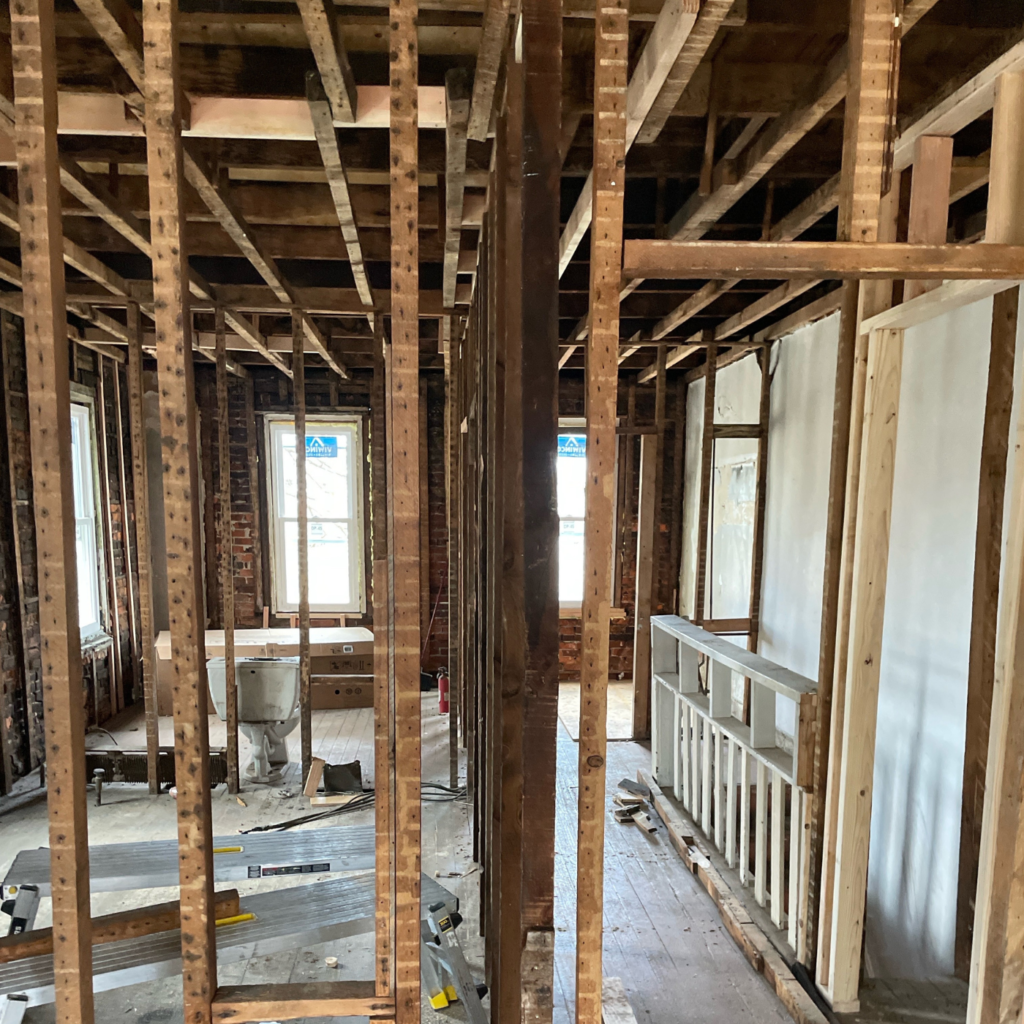
Visual Evidence
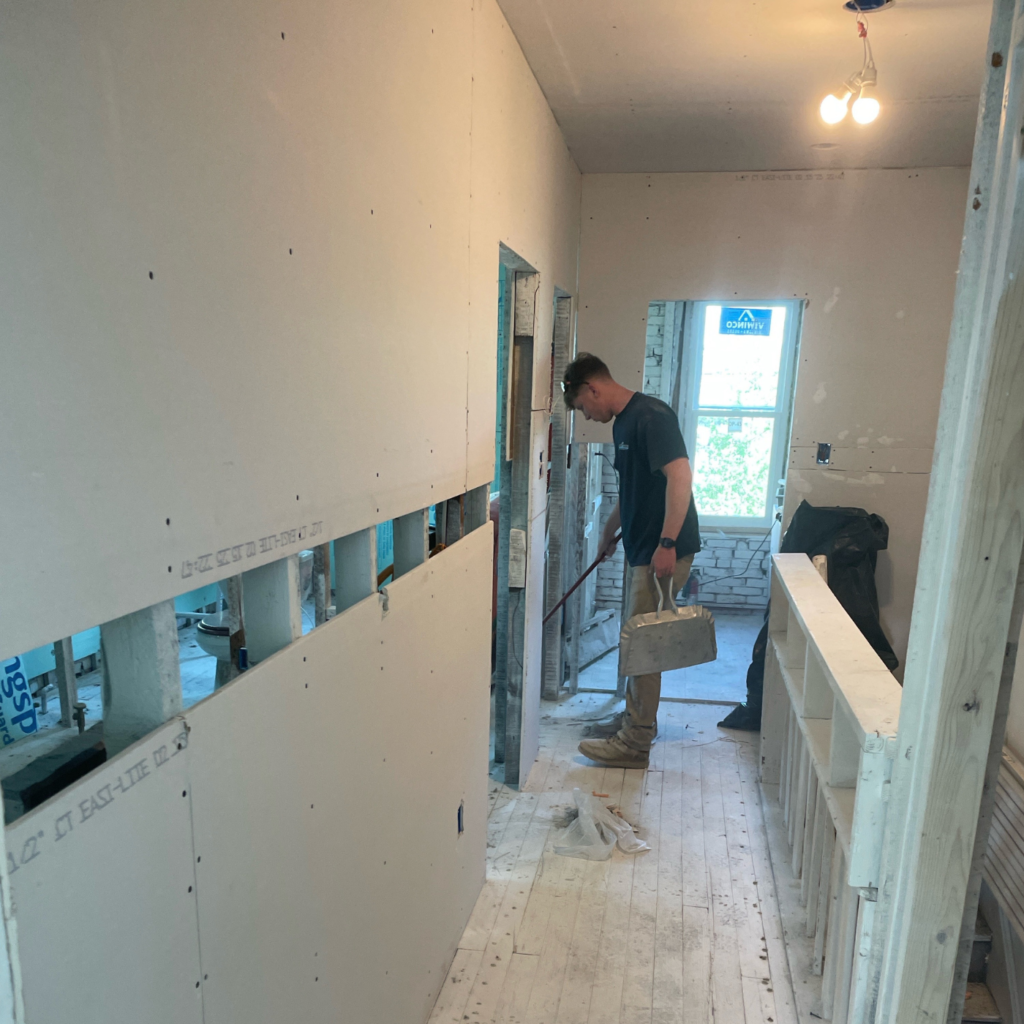
During
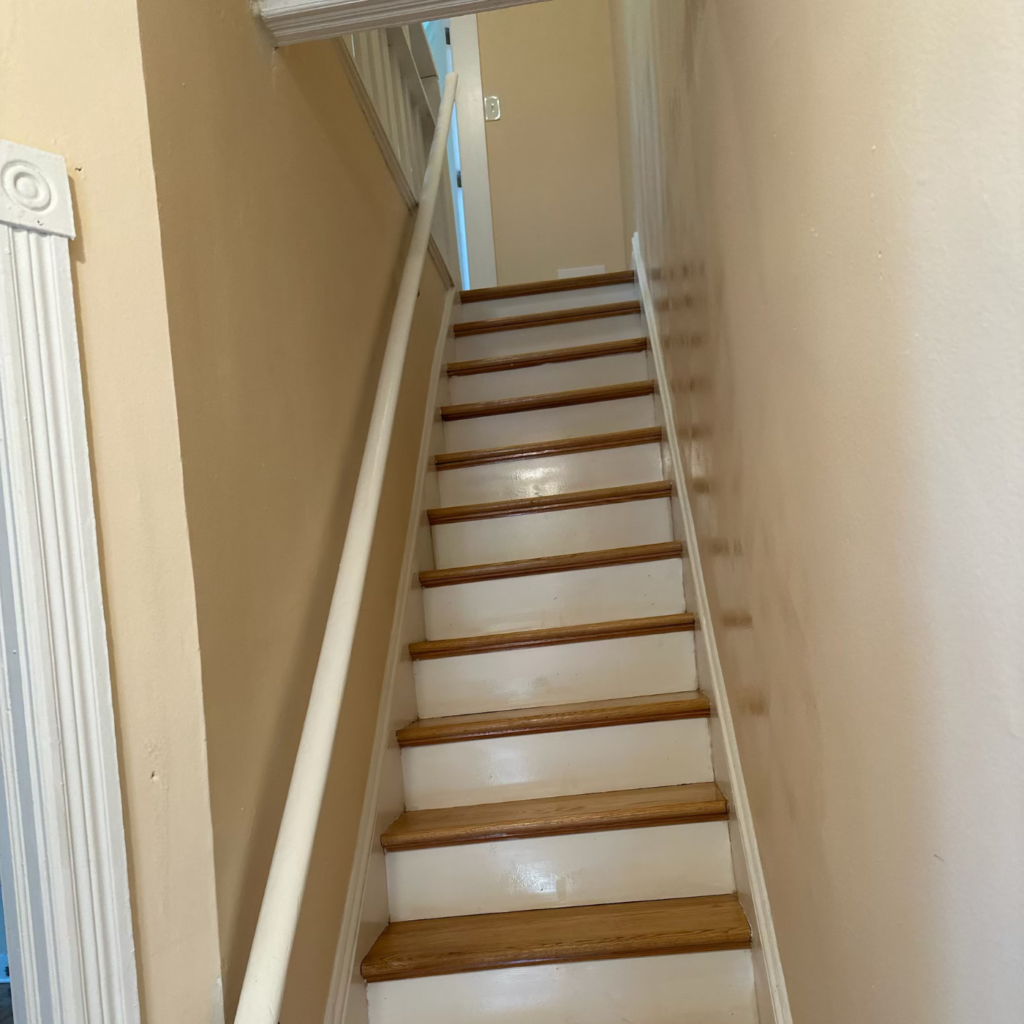
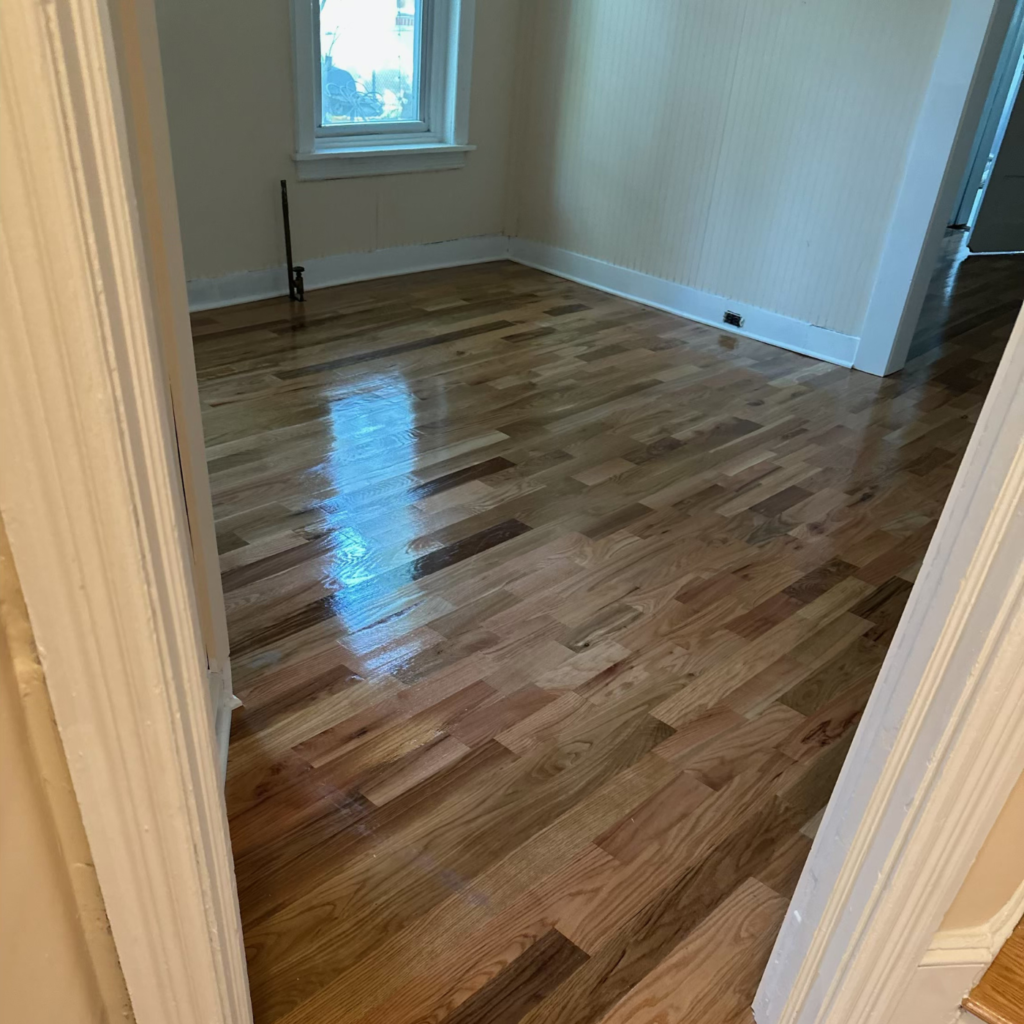
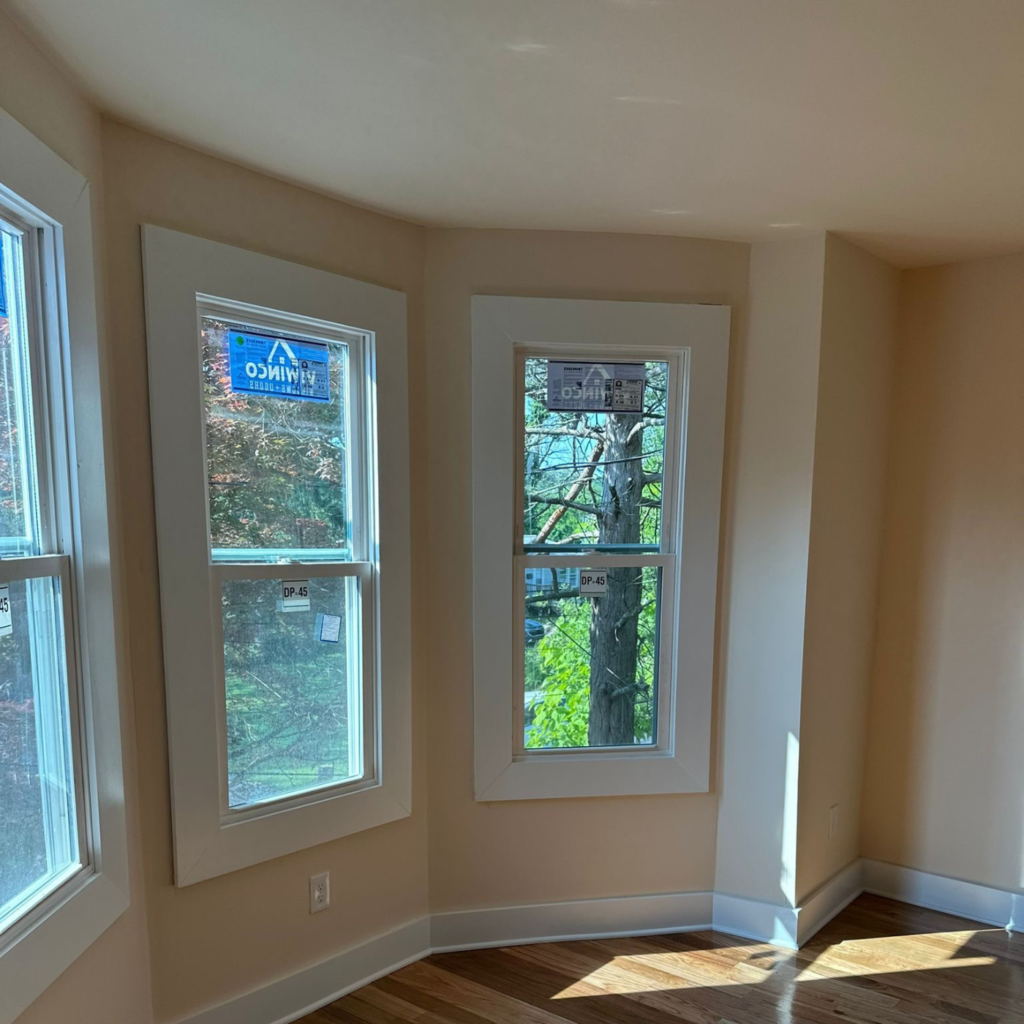
After
Key Takeaways
Managing Emotional Impact: Successfully addressed the renter’s emotional response by setting clear expectations about items deemed non-salvageable.
Homeowner Expectations: Effectively managed the homeowner’s concerns regarding outdated building components, while navigating the insurance company’s reluctance to replace items due to their age.