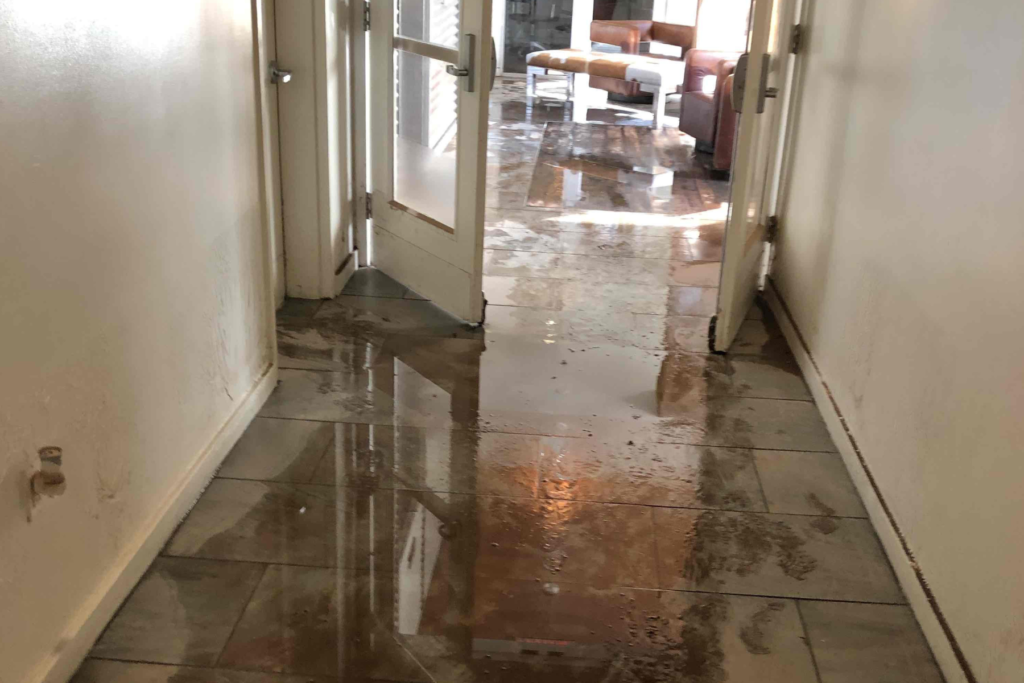
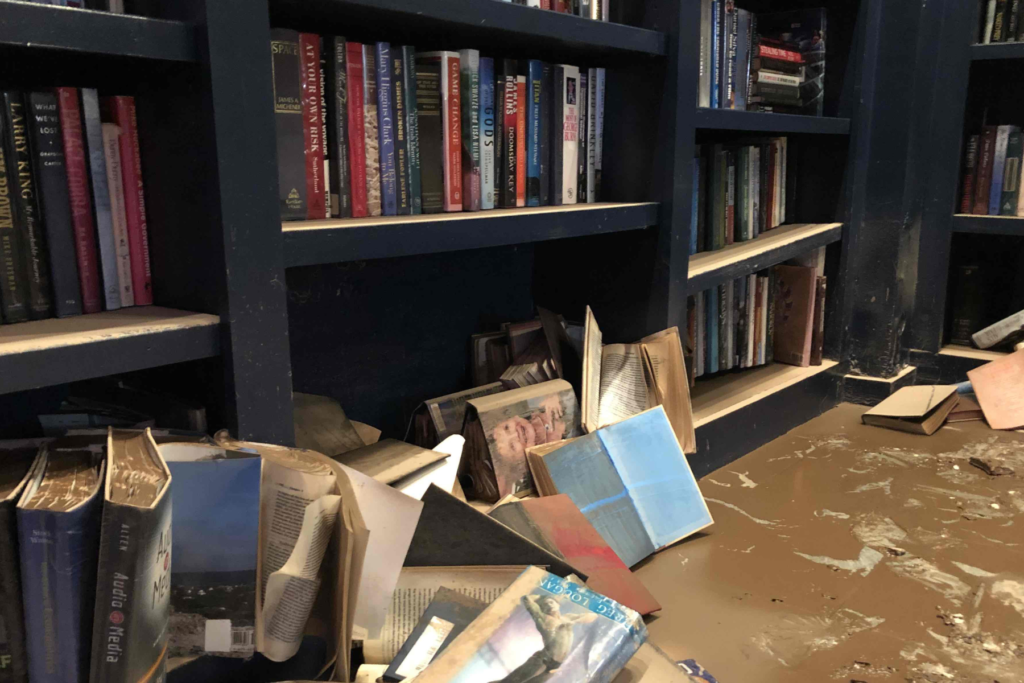
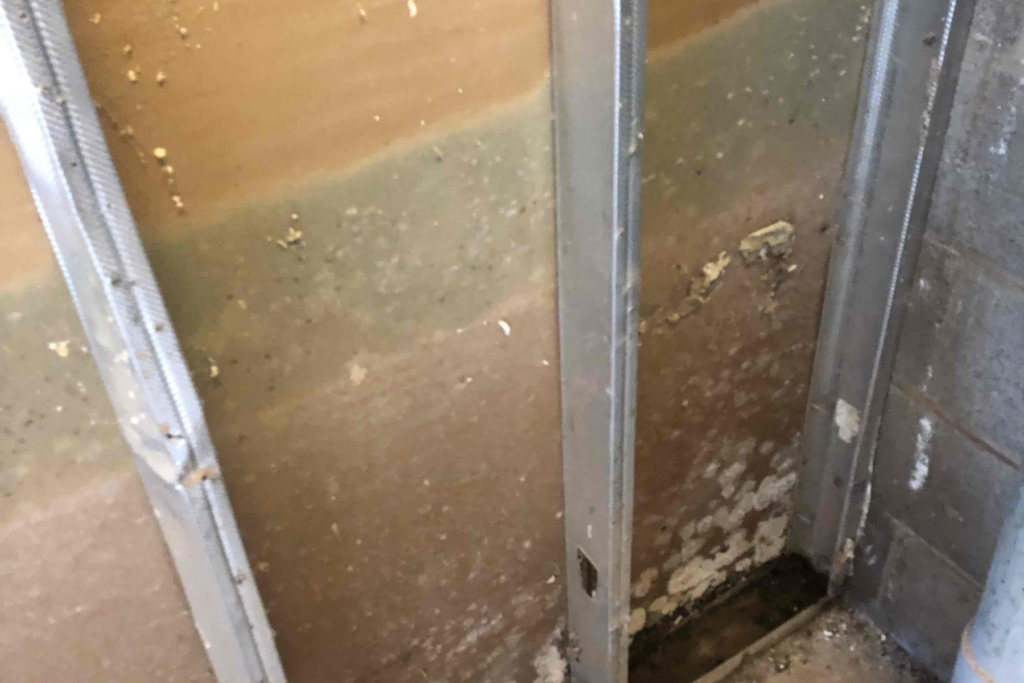
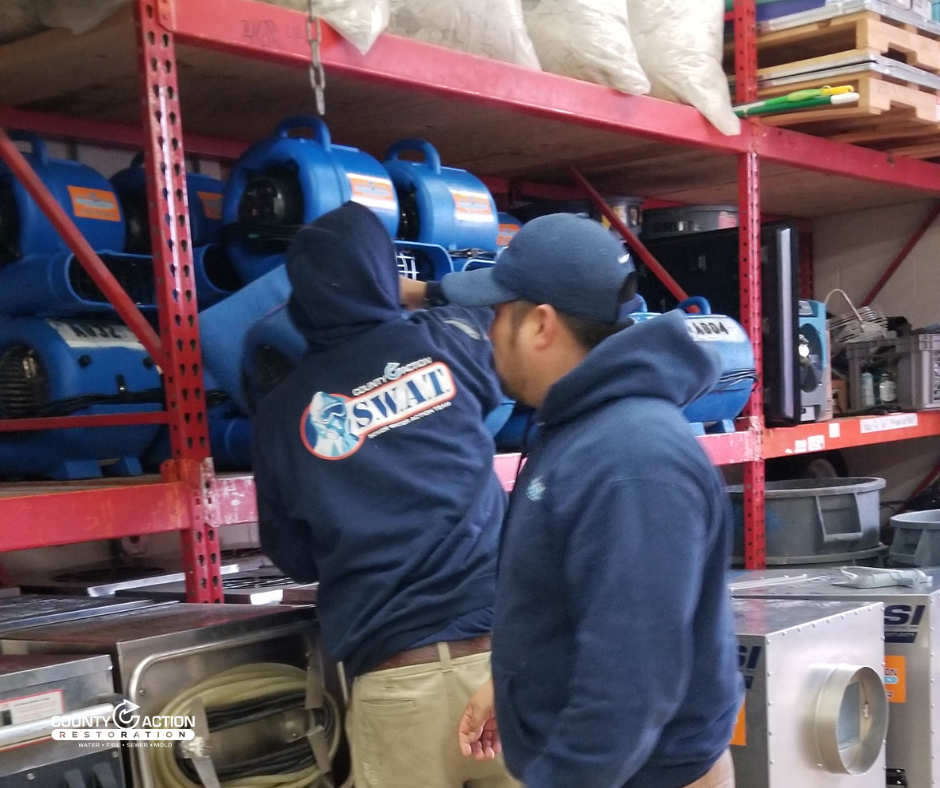
Project Type:Water damage caused by a hurricane. Type 3 water loss.
Property Type:Residential – Mid-rise units.
Location:Manayunk, Philadelphia, PA.
Client Type:Property management firm.
Insurance Carrier:Self-pay.
Project Size:33 units (apartments) spread over 4 levels.
Timeline:5 months.
Status:Completed.
The Situation
Background
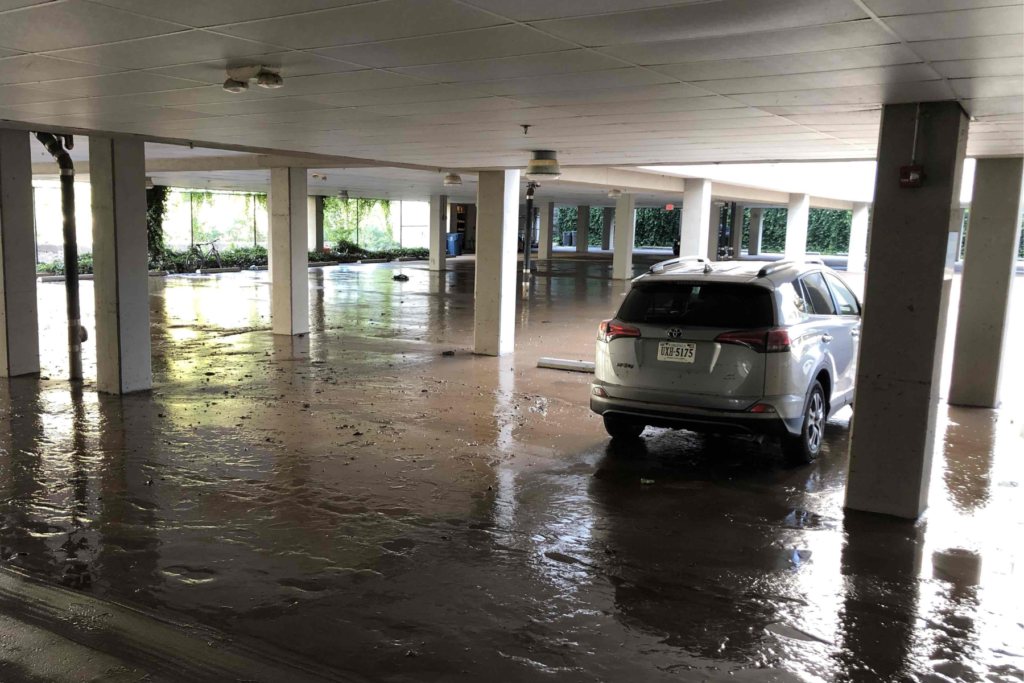
In 2020, Hurricane Ida struck Philadelphia, causing the Schuylkill River to flood. This event impacted an apartment complex located in Manayunk, near the riverbanks. The property features extensive amenities, including a community center, fitness center, game room, library, conference room, and management offices. The building is equipped with elevators and sits above a 20-foot crawl space. Exterior features include a reserved parking lot, a patio with a grill, and a designated dog park.
Business impact
The incident resulted in significant operational and financial disruptions:
Resident Displacement: All tenants were displaced, leading to a 100% vacancy.
Financial Loss: The management company experienced a total loss of rental revenue.
Safety Hazards: The property posed high safety risks, including electrical dangers and biohazards from sewer water and mud contamination.
Constraints
The restoration effort operated under several critical limitations and pressures:
Occupied Environment: The project took place in an occupied building where essential operations had been displaced.
Strict Deadline: We faced a non-negotiable timeline that required all tenants to return to their units by mid-December.
Safety Hazards: The site presented severe risks, including heavy sewer mud, stagnant wastewater, and compromised electrical systems.
The Challenge
This project presented a unique set of challenges requiring meticulous coordination and specialized expertise
Logistical Complexity
The restoration involved coordinating efforts across multiple floors and individual units, as well as both indoor and outdoor spaces.
Operational Constraints
As an occupied property, work had to be scheduled around residents and management, including after-hours emergency responses.
Severe Contamination
The event was classified as a Category 3 water loss, indicating grossly contaminated water that posed significant health and safety risks.
Stakeholder Coordination
Success depended on seamless communication and collaboration with on-site managers and the property ownership group.
The Solution
Our approach follows a comprehensive, step-by-step restoration process.
Emergency Mitigation
Immediate action to stabilize the site.
Documentation
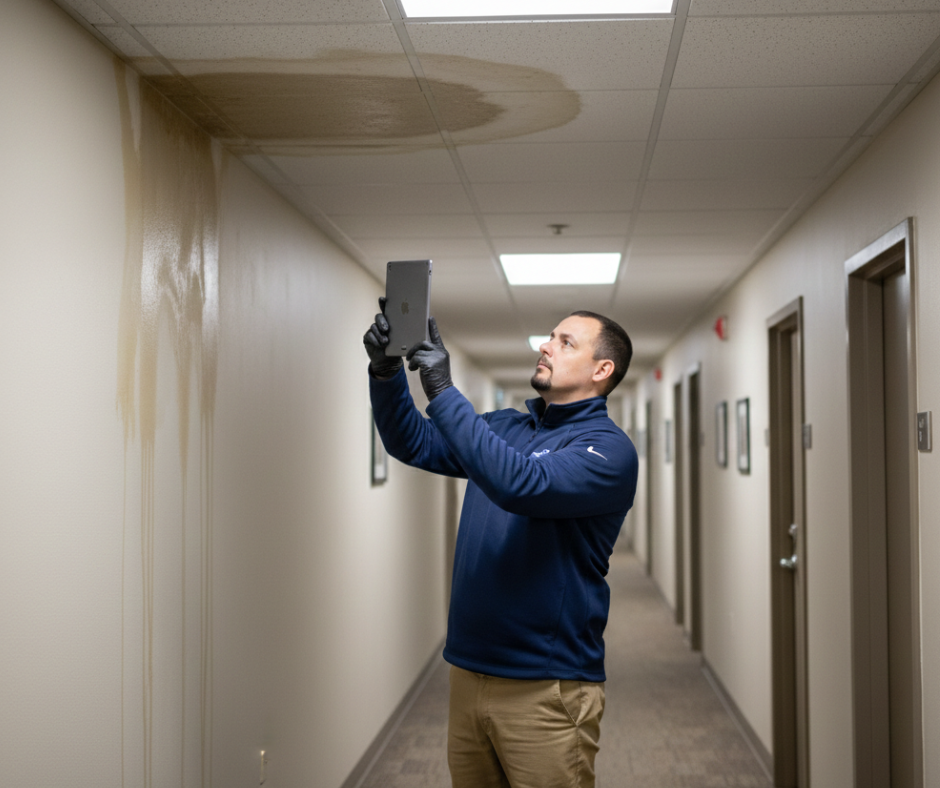
Detailed recording of damage for claims and records for FEMA reimbursement processing.
Water & Debris Removal
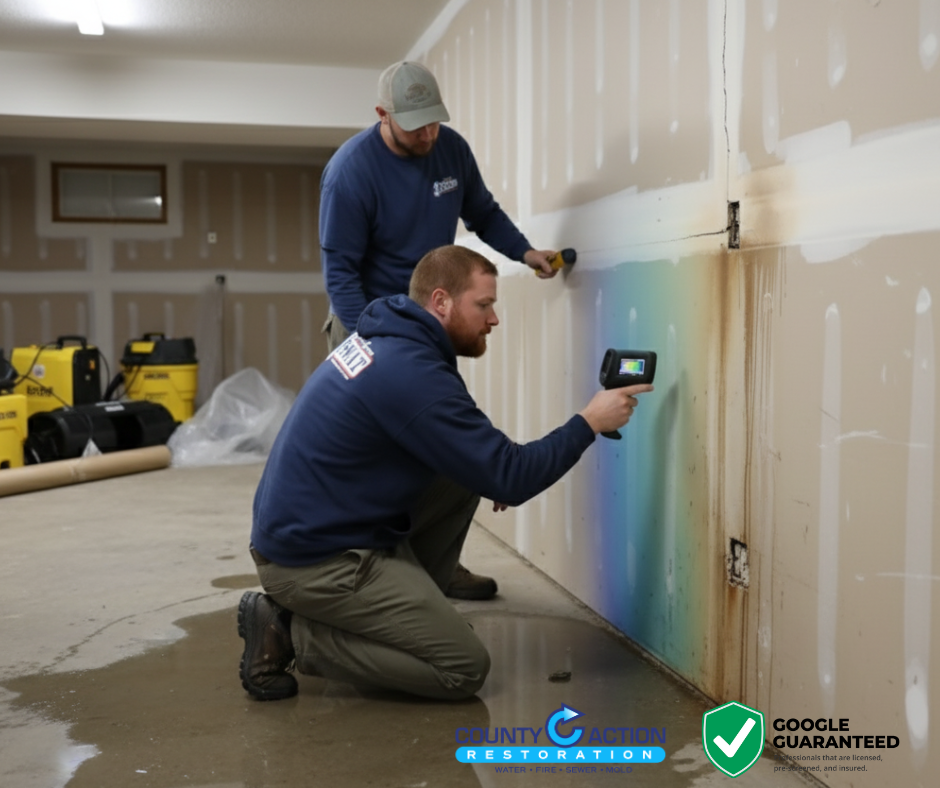
Extraction of standing water followed by power washing.
Content Management
Careful removal and handling of building contents.
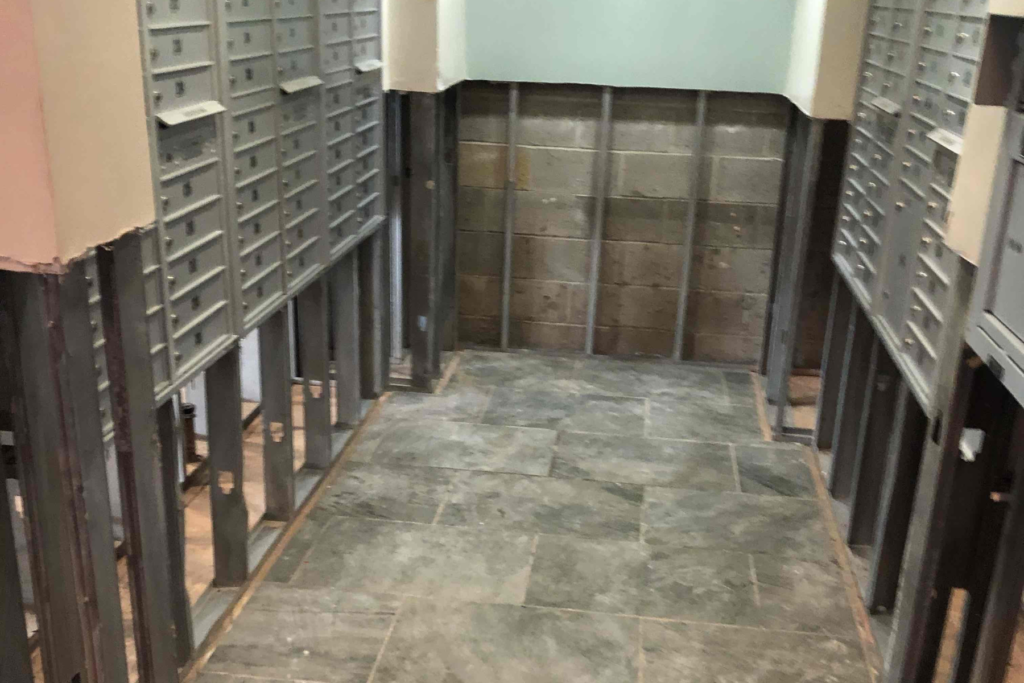
Demolition
Safe removal of damaged construction materials.
Drying & Cleaning
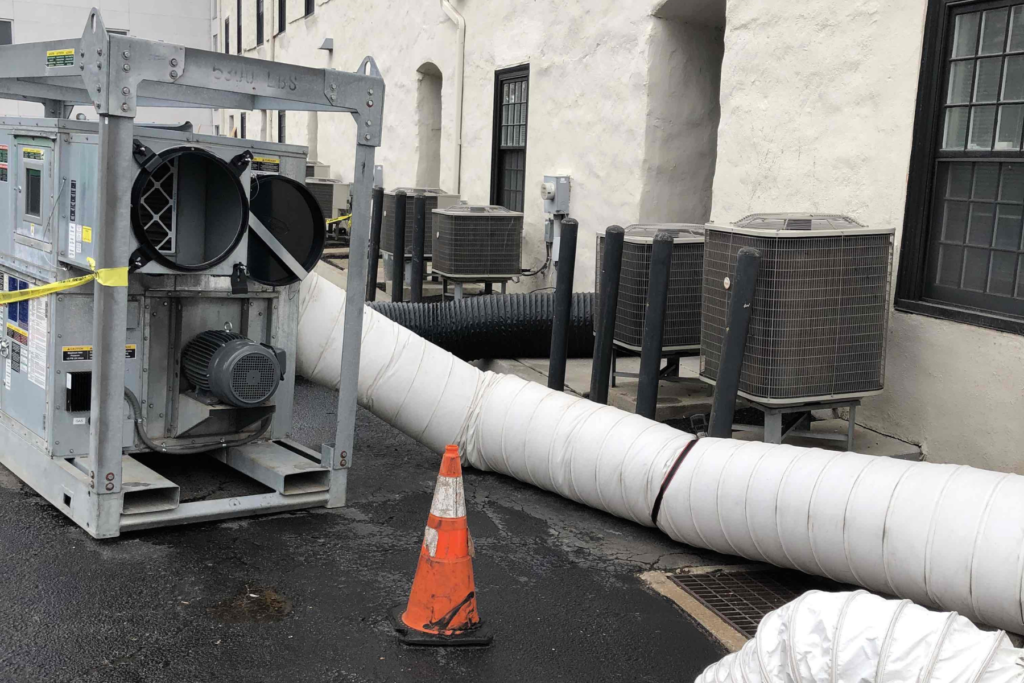
Remove moisture from walls, floors, and other surfaces to prevent mold growth. This is followed by a thorough cleaning to sanitize and deodorize the area, ensuring a safe and healthy environment.
Reconstruction
Full restoration of the affected areas.
Final Touches
Post-construction cleaning and a final walkthrough to ensure quality.
Equipment Deployed
Generators
Power distribution boxes
Fans
Air scrubbers
Desiccant unit
Dehumidifiers
Containment systems
Power washing units
S.H.E. (Safety, Health, and Environment)
We maintained strict adherence to all safety protocols to ensure a secure working environment.
Compliance: Full implementation of rigorous safety standards.
Protection: Commitment to the health and well-being of all personnel and residents.
Environmental Care: Responsible management of environmental risks throughout the project.
Industry Standards
Our operations strictly adhered to the guidelines and regulations set forth by leading industry authorities, ensuring the highest standards of quality and safety. Compliance included:
IICRC (Institute of Inspection, Cleaning and Restoration Certification)
RIA (Restoration Industry Association)
OSHA (Occupational Safety and Health Administration)
EPA (Environmental Protection Agency)
Phasing Strategy
Our primary objective was to expedite the availability of premium units. To ensure an efficient turnover while minimizing risks like recontamination, we implemented the following strategic workflow:
Site Stabilization: Immediate removal of heavy mud deposits to prevent cross-contamination.
Restoration Cycle: A sequential execution of demolition, drying, and reconstruction.
Prioritized Timeline:
Phase 1: High-rent apartment units.
Phase 2: Remaining residential units.
Phase 3: Common amenities (fitness rooms, library, conference room, and management offices).
Project Execution & Coordination
Our execution strategy was built on strong leadership, specialized teams, and transparent communication to manage project complexity and meet aggressive deadlines.
Team Composition
Leadership: Two on-site technical leaders directed all operations.
Crew: A dedicated team of 25 members, including certified electricians, drywall experts, carpenters, painters, and flooring specialists, was deployed.
Work Schedule
To accelerate progress, crews operated on an intensive schedule, working 12 to 15-hour shifts, seven days a week.
Communication & Reporting Protocol
On-Site Management: Daily morning meetings were held to ensure alignment and address immediate needs.
Ownership: Bi-weekly progress meetings, complete with detailed documentation, were conducted to keep the owner fully informed.
Documentation: Comprehensive reporting included daily photos, moisture logs, and regular progress updates to maintain a clear record of the restoration process. The client could have the reimbursement processed with FEMA based on detailed documentation.
The Outcome
The project concluded with outstanding results, meeting all key objectives and successfully mitigating all initial challenges.
Timely Tenant Return
All residents returned to their units within the five-month project timeline.
Seamless Restoration of Common Areas
All indoor and outdoor common spaces were fully restored and made available to tenants without any operational downtime.
Complete Restoration
The entire property was returned to its pre-loss condition, with no reported secondary issues such as mold growth.
Insurance & Compliance Notes
Throughout the project, we maintained rigorous standards for documentation and compliance, despite the loss being non-insurance.
Financial Handling
The restoration was directly funded, with no involvement from insurance claims.
Documentation Excellence
We provided comprehensive documentation support to ensure accurate record-keeping for all stakeholders.
Quality Assurance
Regular walkthroughs were conducted with both on-site managers and property owners to verify the quality of work.
Code Compliance
All restoration work was verified and confirmed to be in full compliance with local building codes.
Visual Evidence
Before
During
After
Key Takeaways
This project underscored our ability to deliver critical results under pressure, highlighting our expertise in large-scale residential restoration.
Restoring Homes: We successfully provided safe, restored housing for 33 families and the client’s on-site staff.
Large-Scale Capability: The project demonstrated our capacity to manage complex, multi-unit residential restorations effectively.
Occupied Property Expertise: We showcased our ability to operate efficiently within occupied properties while minimizing disruption to residents and operations.
Emergency Readiness: The successful execution demonstrated our readiness and rapid-response capabilities for large-scale emergencies.