Project Type:Fire Loss, Smoke Damage, Water Damage.
Property Type: Residential – High-Rise Building (11th Floor).
Location:Philadelphia, PA.
Client Type:Renter.
Insurance Carrier:Covered.
Status:Completed.
The Situation
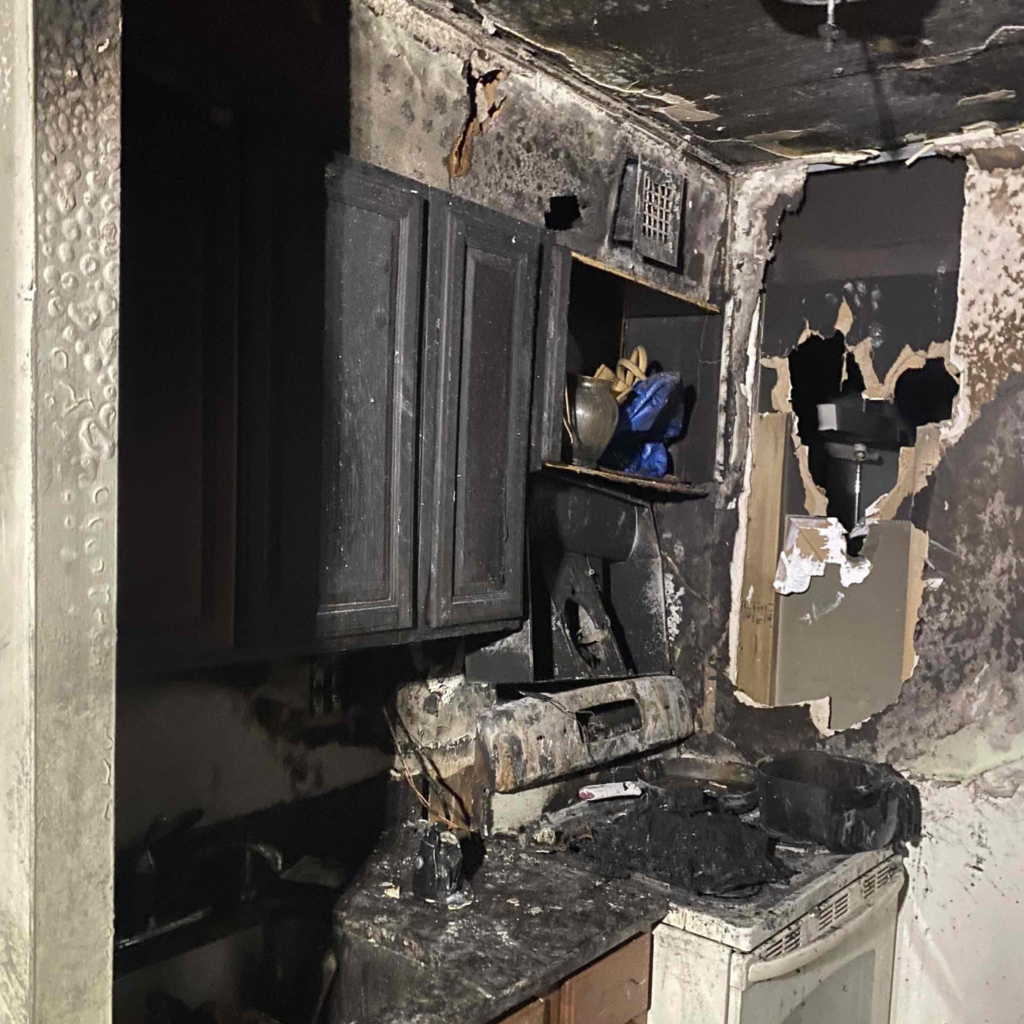
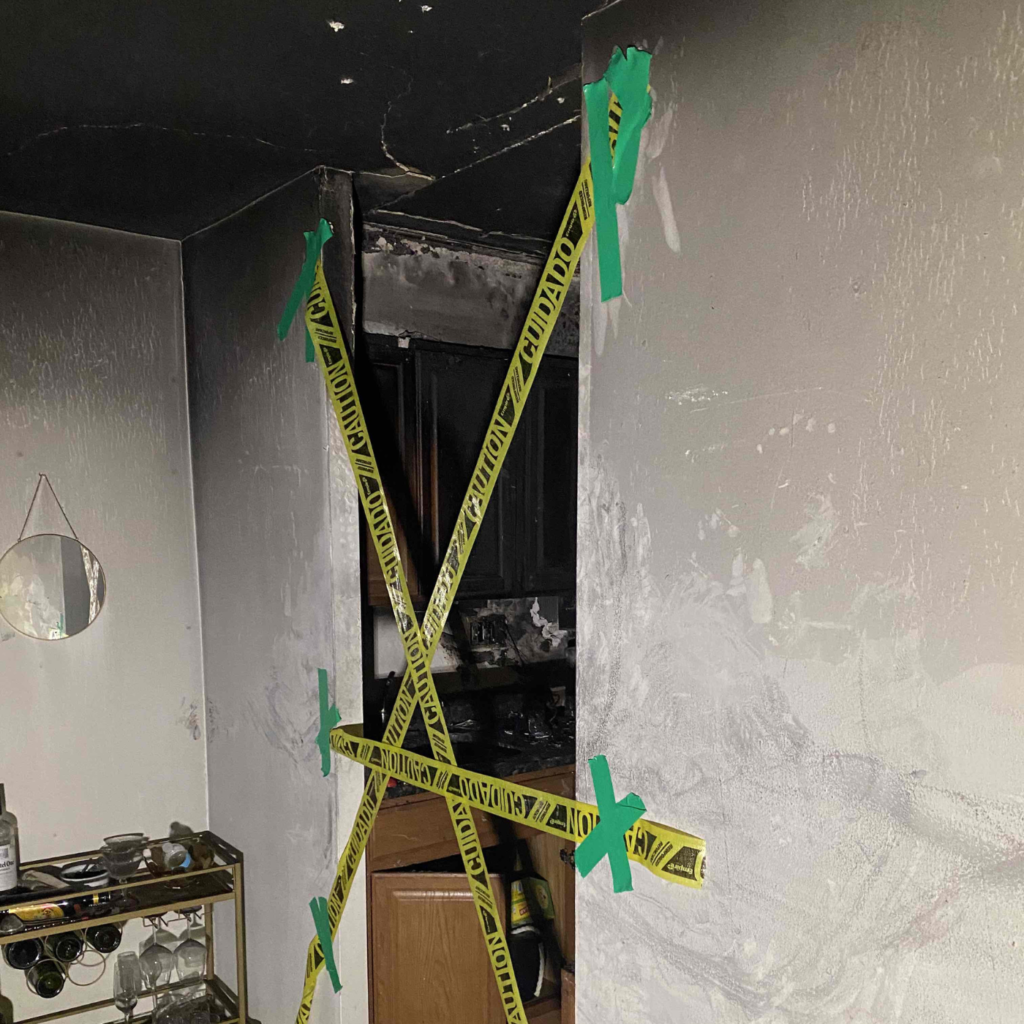
A fire broke out in the kitchen of an apartment on the 11th floor of the Dorchester apartment complex in Philadelphia. The fire spread, impacting:
Two apartments
Part of the hallway
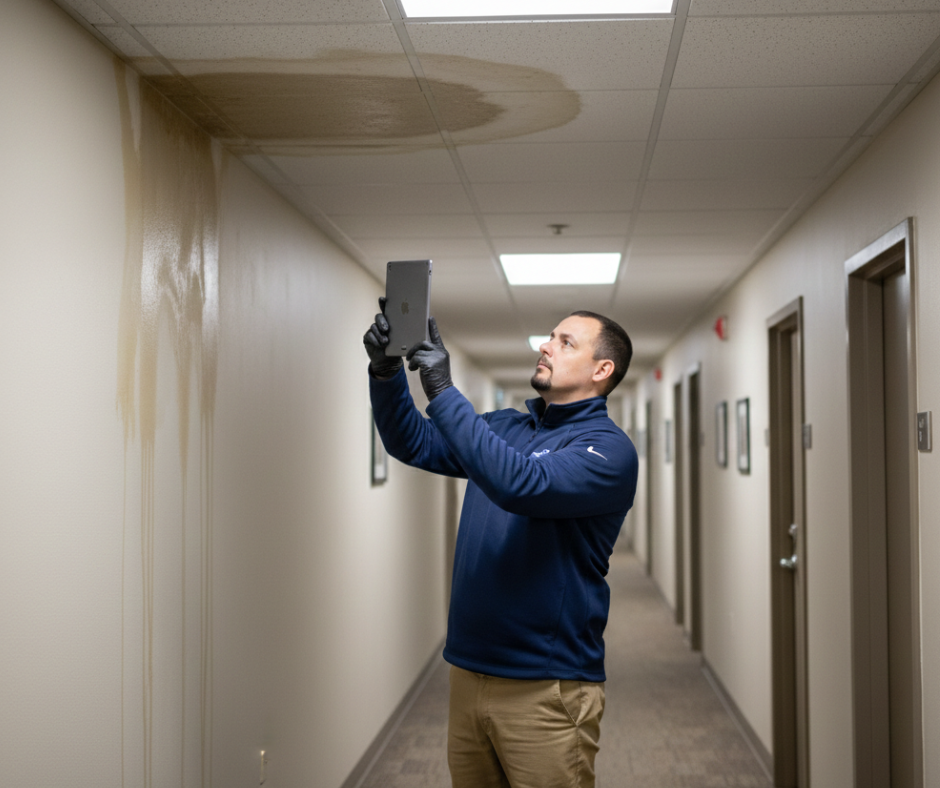
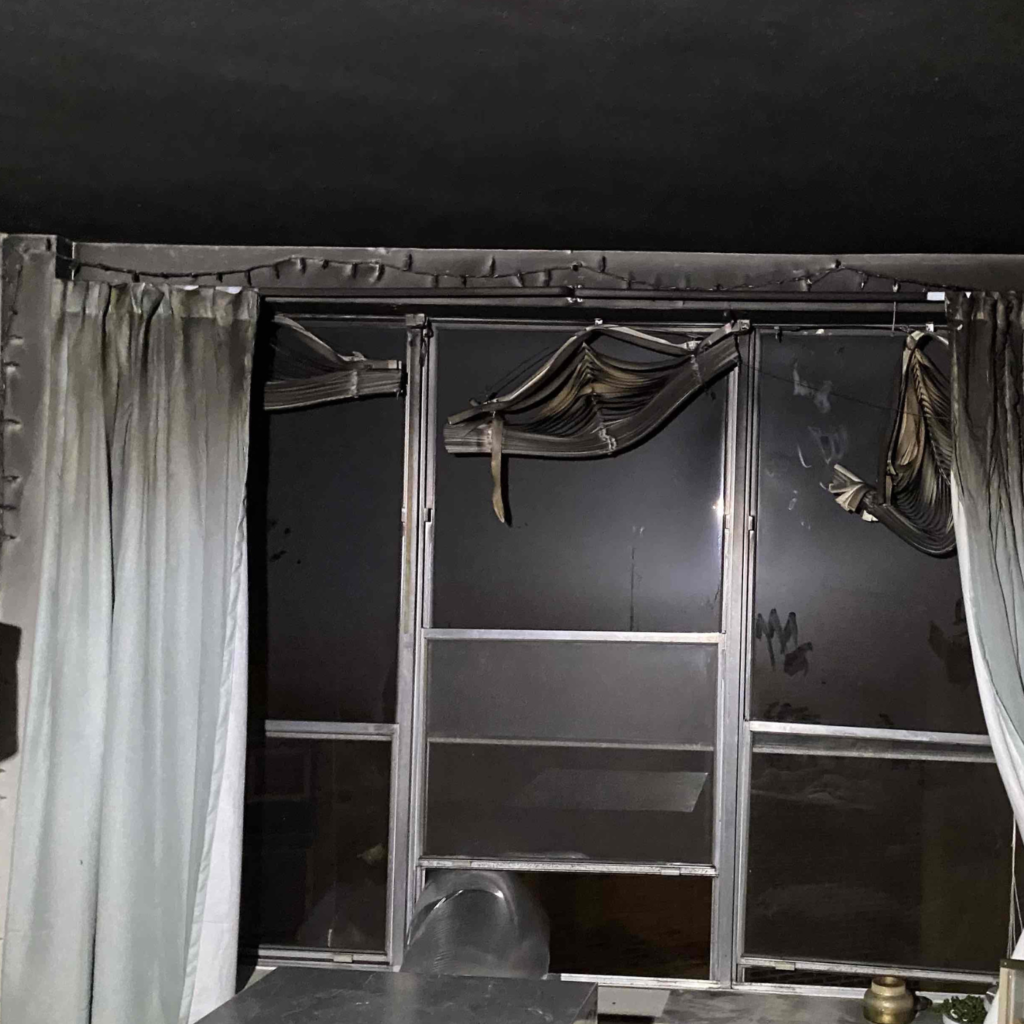
Fire extinguishing efforts caused water damage to sub-level floors, while smoke puff-back affected:
The adjacent apartment on the same floor
Apartments above the affected unit
Common areas on the same floor
Key Constraints
The restoration project faced several challenges:
Tenant Management: Required careful salvage efforts while managing tenants in disarray.
Building Access Coordination: Organized mitigation and restoration efforts across different areas of the building, ensuring smooth access while addressing tenant expectations.
The Challenge
Personal Content
The homeowner’s belongings were carefully triaged into salvageable and non-salvageable categories.
A detailed inventory was created and shared with the insurance company to ensure proper documentation.
Structural Salvage
Focused efforts were made to salvage the structure while minimizing any further damage.
Scope Agreement
Reaching a formal agreement with the insurance company on the scope of work was a critical milestone in the process.
Accessibility and Timing
Coordinated access to various apartments and building areas.
Maintained clear communication with tenants, providing individual updates to manage expectations.
The Solution
Our approach focused on ensuring the safety of on-site personnel while systematically addressing contamination through a phased and efficient restoration process.
Mitigation Process
Removed all personal content, completing the process.
Removed all damaged construction materials and salvaged the structure.
Utilized dry-ice blasting where appropriate.
Dried, cleaned, and restored the affected areas
Phasing Strategy
Content Removal
Construction Material Removal, Drying, Cleaning, and Dry-Ice Blasting
Reconstruction
Key Equipment & Standards
Equipment Deployed
Storage for content
Dumpsters
Negative air machines
Air scrubbers
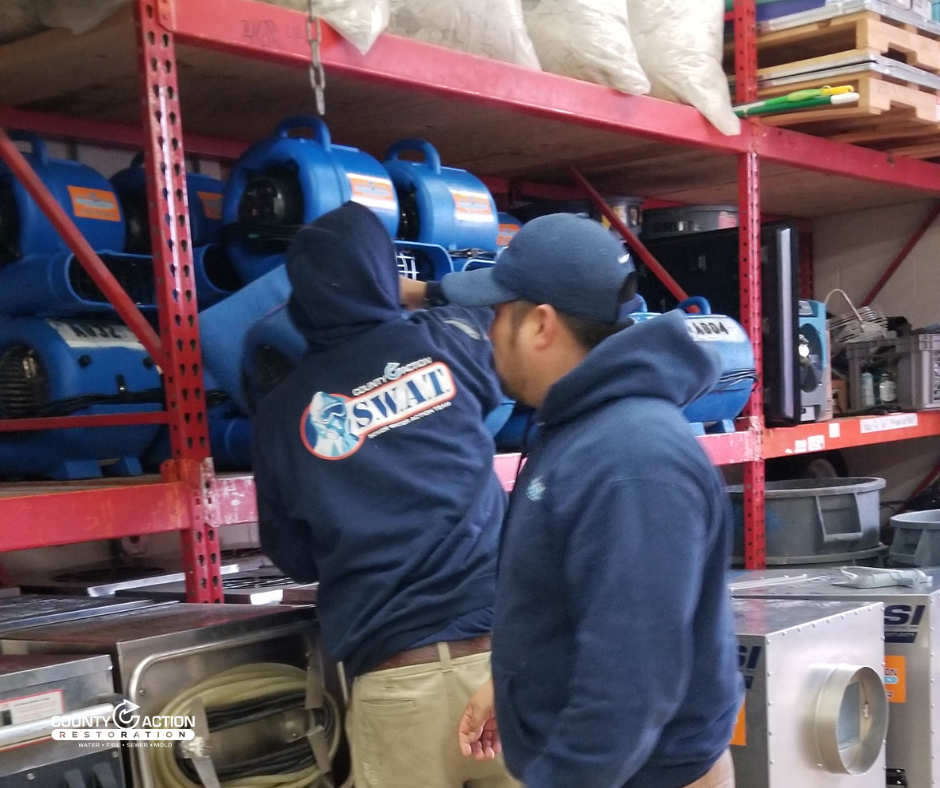
Air movers
Dehumidifiers
Dry-ice blaster
Safety & Compliance
Maintained strict adherence to S.H.E. (Safety, Health, and Environment) protocols, particularly for lead and asbestos management.
Industry Standards
All operations complied with guidelines from the IICRC, RIA, and EPA.
Project Execution & Coordination
To ensure efficient operations and seamless collaboration, we implemented a focused execution plan with specialized staffing and structured communication.
Team Composition
Leadership: One team leader managed all on-site activities.
Specialization: Five restoration technicians, certified by IICRC and RIA, carried out the technical work.
Work Schedule
8 hours per day, 5 days a week
Communication Protocol
Stakeholder Engagement: Maintained close coordination with the renter, homeowner, building owner, and insurance adjusters.
Alignment: Provided updates and adjustments as requested.
Documentation & Closeout
Maintained detailed photographic documentation throughout the project.
Conducted a final walkthrough to ensure all objectives were met and confirmed project completion.
The Outcome
Detailed Inventory
Created and shared a comprehensive inventory of personal items, clearly categorized as salvageable or non-salvageable, ensuring clear and effective communication with the insurance company.
Scope of Work
Collaborated with the insurance company to establish a well-defined and agreed-upon scope of work.
Reconstruction Success
Successfully completed the reconstruction, adhering to the agreed scope and meeting all project objectives.
Insurance & Compliance Notes
This project was managed with meticulous documentation and strict adherence to all regulatory standards, even though it was a non-insurance-related loss.
Financials
The insurance covered 100% of the claim for both the renter’s policy and the structure policy, up to policy limits.
Documentation
Comprehensive records were provided to the insurance companies, ensuring full transparency and accuracy.
Quality Assurance
A final walkthrough was conducted with the site manager to confirm that all work met expectations.
Compliance
Secured confirmation that all restoration work was fully compliant with local building codes.
Visual Evidence
Key Takeaways
Managing Emotional Impact: Successfully addressed the renter’s emotional response by setting clear expectations about items deemed non-salvageable.
Tenant Expectations: Effectively managed tenants’ concerns about the process while navigating the insurance company’s process.